Polishing
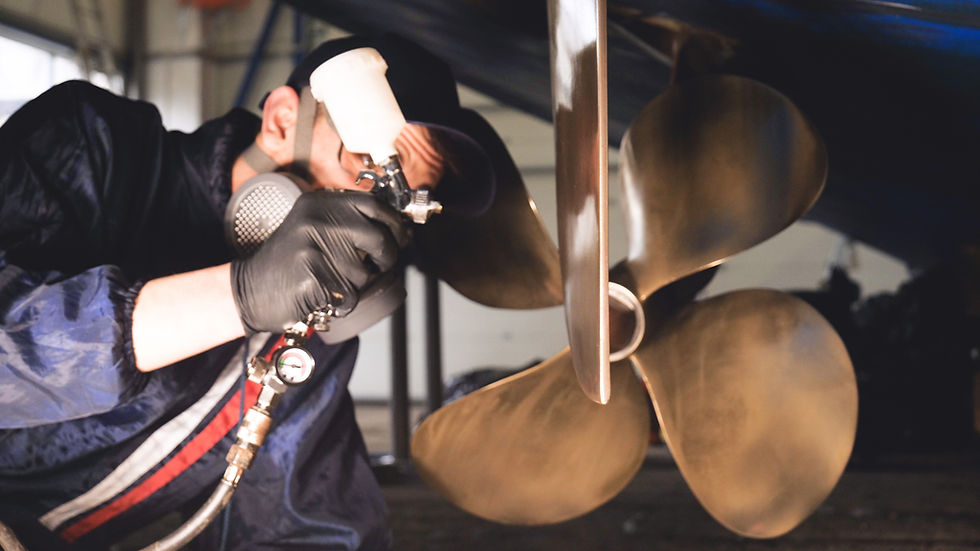
The metal polishing process is a highly specialised technique used to enhance the surface finish of metal parts. It involves removing surface imperfections, such as scratches, oxidation, and other blemishes, to achieve a smooth, shiny, and reflective surface. This process not only improves the aesthetic appeal of metal components but also contributes to their durability and resistance to corrosion.
At Majestic Aluminium Finishing Ltd, we provide professional metal polishing services tailored to a wide range of metals, including aluminium, stainless steel, and other alloys, ensuring that every finished product meets the required finish specifications.

Why Choose Majestic Aluminium Finishing Ltd for Metal Polishing?
Expertise and Experience: Our technicians are highly skilled in a wide range of polishing techniques and can handle complex or delicate metal parts.
-
Precision: We use advanced equipment and fine abrasives to ensure precise polishing that meets your exact specifications.
-
Custom Finishes: Whether you need a high-gloss mirror finish or a satin or brushed finish, we can provide customised solutions to suit your needs.
-
Quality Assurance: We employ stringent quality control measures to ensure that each polished part meets the highest standards of finish and durability.
The metal polishing process at Majestic Aluminium Finishing Ltd is designed to provide high-
quality, durable, and visually stunning results, helping you achieve the perfect finish for your
aluminium, stainless steel, and other metal components.
Key stages of Metal Polishing process:
-
Surface Preparation: Before starting the polishing process, the metal surface must be properly prepared to ensure the final result is smooth and free of imperfections. This is critical because any existing imperfections on the surface may affect the quality of the polished finish.
-
Mechanical Polishing: Once the metal surface is properly prepared, the mechanical polishing process begins. This is where the actual polishing occurs, involving the use of abrasive compounds, polishing wheels, and machinery to refine the surface.
-
Final Inspection and Cleaning: Once the metal has been polished to the desired finish, it is carefully inspected to ensure the quality and consistency of the surface.
Types of Polishing finishes
The metal polishing process can achieve different types of finishes, depending on the application and customer requirements. The main types of polishing finishes include:
-
Mirror Finish (High-Gloss Polished Finish): This is the most reflective and smooth finish, often used in decorative applications like architectural elements, automotive parts, and luxury items. It has a mirror-like quality and is achieved by using progressively finer polishing compounds.
-
Satin Finish (Matt or Brushed Finish): This finish is less reflective and has a smooth but textured surface. It is often used for stainless steel kitchenware, industrial equipment, and some architectural features. Satin finishes are usually achieved using finer abrasives and a polishing wheel or brush.
-
Brushed Finish: Similar to satin, but with more noticeable directional lines. This finish is created by brushing the surface with an abrasive material, and it’s common for stainless steel appliances and architectural elements.
-
Dull or Satin Finish: Achieved by using very fine abrasives or polishing compounds to leave the surface smooth but with a subtle sheen, typically used for industrial components or parts that need reduced reflectivity.
-
Coloured Polished Finishes: In some cases, polishing is combined with processes like anodising to achieve coloured finishes, especially on aluminium. This can create a range of colours that still retain the polished look, providing both aesthetic and functional benefits (e.g., corrosion resistance).
Benefits of Metal Polishing
-
Aesthetic Appeal: Polished metal parts have a clean, sleek, and professional appearance that is desirable in many industries, including automotive, aerospace, and luxury goods.
-
Corrosion Resistance: Polishing removes surface contaminants and helps prevent oxidation or corrosion, especially on metals like aluminium and stainless steel.
-
Improved Cleanliness: Polished surfaces are easier to clean, which is especially important for industries like food processing, pharmaceuticals, and medical equipment.
-
Enhanced Durability: A well-polished metal surface can resist scratches, abrasions, and wear better than an untreated or rough surface.
-
Increased Value: Polished metal components often have a higher perceived value, making them more attractive to consumers or clients.
Applications of Metal Polishing
-
Automotive Industry: Polishing of exhaust tips, chrome bumpers, trim, and wheels.
-
Aerospace: Polishing of aircraft components for aesthetic purposes and to prevent corrosion.
-
Architectural: Polishing of metals for use in facades, handrails, and structural elements.
-
Luxury Goods: Jewellery, watches, and other high-end consumer products often require a polished metal finish.
-
Industrial Equipment: Polishing of machinery parts, valves, and metal components to ensure smooth, functional surfaces.